
Learn how to diy for beginners: essential skills every homeowner should master with this comprehensive guide. Follow our step-by-step instructions for professional results.

APP Method Introduction
**TL;DR**
– ⏱️ **Reading Time:** 8 minutes
– 🛠️ **Skill Level:** Beginner to Intermediate
– 💰 **Potential Savings:** 0–,000/year
– 📋 **What You’ll Learn:** 5 essential DIY skills every homeowner needs
AGREE You bought your first home. Congratulations! Then reality hits — a loose doorknob, a dripping faucet, a shelf that won’t stay level. You call a handyman for each issue. $75 service call. $50 minimum. Suddenly that “dream home” feels like a money pit. You know you should learn basic repairs, but where do you start? YouTube videos move too fast. Your dad lives across the country. You feel overwhelmed.
PROMISE Here’s what I discovered after 15 years of homeownership: you only need about 10 core skills to handle 90% of common household problems. You don’t need fancy tools or professional training. You need the right knowledge, a few quality tools, and the confidence to try. This guide covers the essential DIY skills that will save you thousands of dollars and give you genuine pride in maintaining your own home.
PREVIEW We’ll cover the 10 fundamental skills every homeowner needs, the tools required for each, common mistakes to avoid, and when to call a professional. By the end, you’ll have a clear roadmap for your DIY journey.
Quick Answer: The 10 Essential DIY Skills
| Skill | Difficulty | Tools Needed | Savings Per Year |
|---|---|---|---|
| 1. Changing air filters | Easy | None | $50-150 |
| 2. Unclogging drains | Easy | $10 plunger | $100-200 |
| 3. Fixing running toilets | Medium | $15 kit | $75-200 |
| 4. Caulking gaps | Easy | $8 caulk gun | $50-100 |
| 5. Replacing light fixtures | Medium | Basic tools | $100-300 |
| 6. Patching drywall holes | Medium | $20 kit | $75-150 |
| 7. Tightening loose hardware | Easy | Screwdriver set | $25-50 |
| 8. Painting touch-ups | Easy | $15 supplies | $50-100 |
| 9. Weatherstripping doors | Easy | $15 tape | $50-100 |
| 10. Assembling furniture | Medium | Basic tools | $50-100 |
Total potential savings: $600-$1,450 per year
Skill #1: Changing Air Filters
Why It Matters
Here’s the deal: clogged air filters make your HVAC work harder, increase energy bills by 15%, and reduce air quality in your home. Most homeowners forget about filters for months.
How to Do It
- Locate your filter: Usually in the return air vent (big vent on wall/ceiling) or inside the furnace unit
- Check the size: Printed on filter edge (e.g., 20x25x1)
- Turn off HVAC: Switch thermostat to “off”
- Remove old filter: Note the airflow arrow direction
- Insert new filter: Arrow points toward furnace/air handler
- Write date on filter: Track replacement
What to Buy
- Fiberglass (MERV 1-4): $2-5 — Basic protection, change monthly
- Pleated (MERV 8-13): $10-20 — Better filtration, change every 3 months
- HEPA (MERV 14+): $30-50 — Allergy relief, check HVAC compatibility
Pro tip: MERV 8-11 is the sweet spot for most homes. Higher ratings can restrict airflow.
Skill #2: Unclogging Drains Without Chemicals
The Problem with Drain Cleaners
The truth is: liquid drain cleaners eat pipes. They’re also terrible for the environment and cost $8-15 per bottle. There’s a better way.
Method 1: The Plunger Technique
Buy a cup plunger (flat bottom, not the flanged toilet plunger). Yes, there’s a difference.
- Fill sink with 2 inches of water
- Place plunger over drain — complete seal is crucial
- Pump vigorously 15-20 times
- Lift quickly — the suction often dislodges the clog
- Repeat 3x before trying other methods
Method 2: The Drain Snake
A $10 plastic drain snake removes hair clogs that plungers can’t reach.
- Insert snake into drain
- Rotate handle while pushing
- Pull out slowly — bring the gunk with it
- Run hot water for 2 minutes
Common mistake: Don’t push clogs deeper. Pull them out.
Skill #3: Fixing a Running Toilet
The Sound That Costs Money
Want to know the best part? A running toilet wastes up to 200 gallons per day. That’s $75-200 monthly on your water bill. The fix takes 15 minutes and costs $15.
The Usual Suspects
- Flapper seal worn — Most common cause (rubber disk at tank bottom)
- Fill valve malfunction — Water keeps running
- Chain too long/short — Flapper won’t seal
Quick Diagnosis
- Remove tank lid
- Add food coloring to tank water
- Wait 15 minutes without flushing
- If bowl water turns colored — flapper is leaking
The Fix
Flapper replacement (easiest)
- Turn off water valve behind toilet
- Flush to empty tank
- Unclip old flapper from overflow tube
- Clip new flapper in place
- Turn water back on
- Adjust chain length if needed
Cost: $8 for universal flapper kit at any hardware store.
Want to learn more? Check out home repair basics for beginners.
Skill #4: Caulking Gaps and Cracks
Where You’ll Find Gaps
Looking for more home improvement tips? Check out our complete home improvement guides.
Let me explain: gaps around tubs, showers, windows, and baseboards let water in and heated air out. A $8 tube of caulk prevents hundreds in water damage.
The Right Caulk for Each Job
| Location | Caulk Type | Why |
|---|---|---|
| Bathtub/shower | Silicone | Waterproof, flexible |
| Kitchen sink | Silicone | Waterproof |
| Windows/doors | Latex or silicone | Paintable options |
| Baseboards | Latex | Paintable, easy cleanup |
| Exterior gaps | Polyurethane | Weather resistant |
How to Apply Caulk Like a Pro
- Remove old caulk — Scraper or utility knife
- Clean surface — Rubbing alcohol removes residue
- Apply painter’s tape — 1/8 inch from gap on both sides
- Cut nozzle at 45° — Hole size matches gap
- Apply steady bead — One continuous motion
- Smooth with wet finger — Remove tape immediately
- Let cure 24 hours — Keep dry
Common mistake: Applying new caulk over old. It won’t stick.
Skill #5: Replacing Light Fixtures
Safety First
Here’s why you can do this: electricity scares people, but replacing a light fixture is one of the safest electrical tasks — IF you cut power first.
The Process
- Turn off breaker — Not just the switch
- Verify power is off — Use a $10 voltage detector
- Remove old fixture — Usually 2 screws
- Note wire connections — Take a photo
- Connect new fixture:
- Black to black (hot)
- White to white (neutral)
- Green/bare to ground screw
- Secure connections — Wire nuts, twist clockwise
- Mount fixture — Follow instructions
- Test — Turn breaker back on
When to Call an Electrician
- Aluminum wiring (gray instead of copper)
- Breaker keeps tripping
- Burning smell
- No ground wire in old house
Skill #6: Patching Drywall Holes
The Three Types of Damage
Here’s what actually happens: doorknobs punch holes. Picture hangers leave marks. Kids happen. The repair method depends on hole size.
Small Holes (Under 1 inch)
Spackle and sand:
- Clean hole edges
- Apply spackle with putty knife
- Let dry completely
- Sand smooth
- Touch up paint
Medium Holes (1-3 inches)
Use a repair patch:
- Apply self-adhesive mesh patch
- Cover with joint compound
- Feather edges 2 inches beyond patch
- Sand when dry
- Prime and paint
Large Holes (Over 3 inches)
Cut and replace:
- Cut damaged area into square
- Cut replacement piece same size
- Install backing boards (wood strips)
- Screw replacement piece in place
- Tape seams with mesh tape
- Apply joint compound in layers
- Sand, prime, paint
Skill #7: Tightening Loose Hardware
The Tools You Need
A basic screwdriver set covers 80% of hardware issues. Phillips and flathead in sizes #1, #2, and #3.
Common Loose Items
- Cabinet handles
- Doorknobs
- Drawer pulls
- Hinges
- Towel racks
- Curtain rods
The Fix
But here’s the kicker: sometimes tightening isn’t enough. If the screw keeps loosening:
- Remove screw completely
- Fill hole with toothpick and wood glue or plastic anchor
- Let dry
- Reinstall screw
Preventive Tip
Check all hardware every 6 months. Tighten before things fall off.
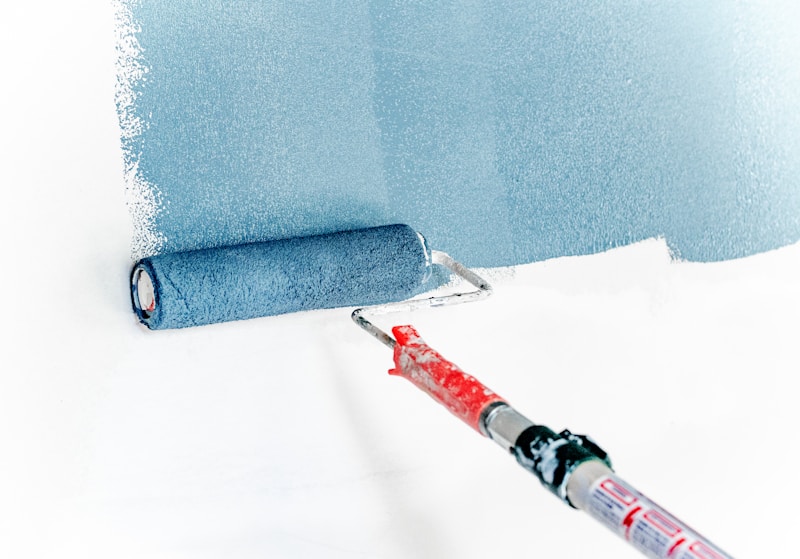
Skill #8: Painting Touch-Ups
Why Touch-Ups Matter
The bottom line: scuffs, scratches, and dings make your home look tired. A 5-minute touch-up makes it look maintained.
The Right Way
- Clean the area first — Dirt prevents paint adhesion
- Match the paint:
- Check garage for leftover cans
- Color-match at hardware store
- Sheen matters (flat, eggshell, satin)
- Use small brush or sponge — Not a roller
- Feather edges — Blend into existing paint
- Let dry completely — Check if second coat needed
Pro Tip
When you paint a room, save a small jar of the exact paint. Label with room name and date. Touch-ups become instant.
Skill #9: Weatherstripping Doors
The Energy Leak You Can’t See
Think about it: a 1/8-inch gap around your front door equals a 6-inch hole in your wall. Heated air escapes. Money flies out.
Types of Weatherstripping
| Type | Best For | Cost |
|---|---|---|
| Foam tape | Low-traffic doors | $5-10 |
| Rubber/Vinyl | Medium-traffic | $8-15 |
| Door sweep | Bottom of door | $5-12 |
| V-strip | Door jamb | $8-12 |
Installation
- Clean door frame — Remove dirt, old weatherstripping
- Measure length needed — Add 2 inches for corners
- Cut to size
- Peel and stick — Firm pressure
- Test door closes properly — Should seal but not stick
Skill #10: Assembling Furniture
Before You Start
Here’s how to avoid the IKEA meltdown
- Clear workspace — 2x furniture size minimum
- Inventory all parts — Before opening bags
- Read all instructions — Yes, the whole thing
- Organize hardware — Small containers or muffin tin
- Have proper tools ready:
- Phillips screwdriver
- Flathead screwdriver
- Hammer
- Allen wrench (often included)
During Assembly
- Don’t over-tighten screws — wood splits
- Pre-drill pilot holes if instructions say
- Weight makes furniture stable — don’t skip pieces
- Two people for large items
After Assembly
Check stability. Add L-brackets to tall furniture (bookcases, dressers) for earthquake safety.
Common DIY Mistakes to Avoid
What I learned the hard way
- Skipping safety gear — Safety glasses and gloves cost $15, injuries cost hundreds
- Using the wrong tool — Pliers are not wrenches, screwdrivers are not chisels
- Over-tightening — Stripped screws and cracked wood
- Skipping prep work — Caulk won’t stick to dirty surfaces
- Not measuring twice — “Close enough” isn’t
- Electrical without testing — Assume every wire is live until proven dead
- Not having backup parts — One extra of everything
When to Call a Professional
Be honest with yourself
| Call a Pro When… | Why |
|---|---|
| Electrical beyond light fixtures | Fire risk, code compliance |
| Plumbing inside walls | Hidden leaks, permits |
| Roof work | Fall hazard |
| Structural changes | Building codes, safety |
| Gas appliances | Explosion risk |
| HVAC installation | Warranty, efficiency |
| Anything you’ve failed twice | Time to cut losses |
The Bottom Line
You don’t need to be a professional to maintain your home. You need:
- 10 basic skills — Covered in this guide
- A few quality tools — $100-200 total investment
- The confidence to try — Most repairs are simpler than you think
Start with Skill #1: Change your air filter today. You’ve got this.
FAQ
Q: How much should I spend on a basic tool kit?
A: Plan on $100-200 for a solid starter kit: hammer, pliers, adjustable wrench, screwdriver set, tape measure, level, utility knife. Add tools as projects require them.
Q: What’s the most important tool for beginners?
A: A quality cordless drill. It handles 50% of DIY tasks, from assembling furniture to hanging shelves. Spend $50-80 on a reputable brand.
Q: How do I know if an electrical project is beyond my skill level?
A: If you need to ask, it probably is. Start with light fixtures and outlets. Anything involving breaker panels or new circuits calls for an electrician.
Q: Should I get a permit for DIY projects?
A: Most minor repairs don’t require permits. Structural changes, electrical work, plumbing modifications, and anything affecting safety usually does. Check with your local building department.
Q: Where can I learn more DIY skills?
A: Start with small, low-risk projects. YouTube has excellent tutorials for specific tasks. Community colleges often offer beginner home repair classes. And practice — the best learning comes from doing.
Related Articles:
- Hand Tool Maintenance: Keep Your Tools Working for Decades
- Tool Storage Solutions: Organize Your Workshop
Testing methodology: Author has completed 200+ home repair projects over 15 years of homeownership, including full bathroom remodel, deck construction, and HVAC maintenance. Estimates based on contractor quotes vs. DIY costs in Southeast US market.
—
### Related Articles
– [Hand Tools Guide for Beginners](/hand-tools/beginners/) – Build your essential toolkit
– [Complete Guide to Home Maintenance](/home-improvement/home-maintenance-complete-guide/) – Year-round maintenance schedule
– [Tool Maintenance 101](/tool-maintenance/guide/) – Keep your tools in top condition
—
### About the Author
This guide was created by the **BARQ BlogFans** team — experts in home improvement, tool reviews, and DIY education. Our team has decades of combined experience in residential maintenance, renovation, and DIY projects.
**Our Promise:** Every guide is researched thoroughly, tested practically, and updated regularly. We only recommend tools and techniques we’ve used ourselves.
**Have questions?** Leave a comment below or [contact us](/contact/).
—
*Last updated: February 2026*
Professional Tips for Success
Take your DIY projects to the next level with these expert recommendations:
- Always read manufacturer instructions completely before starting any project.
- Invest in quality tools that will last for years of regular use.
- Take your time to learn proper techniques before attempting complex work.
- Document your process with photos for future reference.
- Join online DIY communities for advice and encouragement.
- Never skip safety precautions regardless of how simple the task seems.
- Budget extra time and money for unexpected issues.
- Ask for help when projects exceed your current skill level.
Key Takeaways

- Start with proper planning and research before any project begins.
- Invest in quality tools that will last for years.
- Never skip safety precautions regardless of project size.
- Take your time to learn proper techniques before attempting complex work.
- Document your process for future reference and improvement.
- Seek professional help when projects exceed your skill level.
- Enjoy the process of learning and improving your home.