AGREE — You’ve probably stood in your garage staring at a pile of wood, wondering where to even start. Every DIY project feels overwhelming when you don’t know the basics. I get it — carpentry seems like it requires years of apprenticeship and expensive tools.
PROMISE — In this guide, I’ll break down the essential carpentry skills every beginner needs. No fluff, no jargon — just practical techniques you can practice this weekend. By the end, you’ll have the confidence to tackle your first real project.
PREVIEW — We’ll cover measuring and marking, cutting techniques, joining methods, essential tools, safety fundamentals, and three beginner projects you can build today. Let’s get started.
TL;DR
- ⏱️ Reading Time: 12 minutes
- 🛠️ Skill Level: Beginner
- 💰 Potential Savings: $500–$2,000/year on home repairs
- 📋 What You’ll Learn: Measuring, cutting, joining, safety, and 3 starter projects

Why Learn Basic Carpentry?
Here’s the truth that nobody tells you: most home repairs involve carpentry. That loose cabinet door? Carpentry. The squeaky floorboard? Carpentry. The shelf you’ve been meaning to install? You guessed it.
And here’s something interesting — the average homeowner spends $1,200 annually on handyman services, according to HomeAdvisor. Much of that work? Basic carpentry tasks you could do yourself.
But beyond the savings, there’s something deeply satisfying about building something with your own hands. That bookshelf you made? Every time you look at it, you’ll feel a quiet pride that no store-bought item can match.
Essential Tools for Beginner Carpenters
Before we dive into techniques, let’s talk tools. You don’t need a $500 trip to Home Depot. Start with these basics:
Must-Have Hand Tools
1. Tape Measure (25-foot) — Non-negotiable. Get a quality one with a wide blade that doesn’t flop when extended. I prefer the Stanley FatMax — it’s survived drops, kicks, and being stepped on.
2. Speed Square — This $10 tool will save you hours of frustration. Use it for marking straight cuts, checking angles, and guiding your saw. It’s the most underrated tool in your kit.
3. Handsaw or Circular Saw — For beginners, a quality handsaw teaches you control. Once comfortable, upgrade to a circular saw. I recommend the Makita 5007F — it’s lighter and more accurate than cheaper options.
4. Hammer (16-oz claw) — Not too heavy, not too light. Estwing makes an excellent one that will last decades.
5. Pencil and Sharpener — Carpenters’ pencils are flat so they don’t roll away. Keep them sharp — a dull pencil leads to sloppy cuts.

Nice-to-Have Power Tools
Once you’re comfortable with hand tools, consider adding:
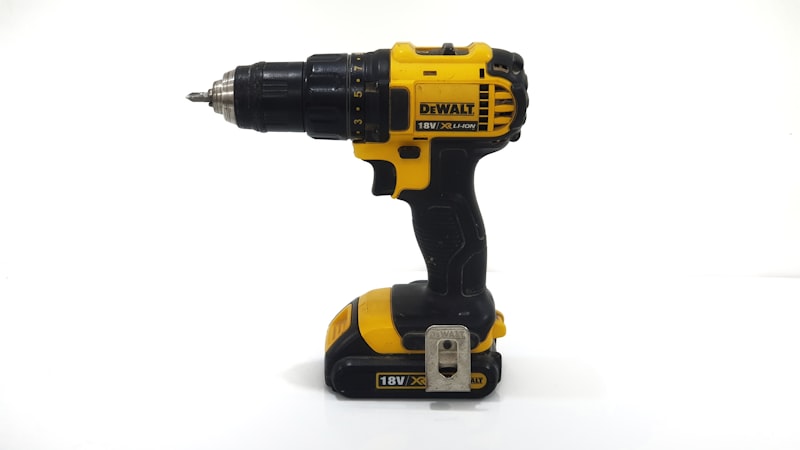
- Drill/Driver — A DeWalt or Makita 18V drill handles 90% of household tasks
- Jigsaw — Perfect for curved cuts and shapes
- Random Orbital Sander — Saves hours of hand-sanding
- Miter Saw — Makes accurate angle cuts easy
Skill #1: Measuring and Marking Accurately
This is where 90% of mistakes happen. I’ve watched beginners rush through measuring, only to cut the wrong length three times in a row. Slow down.
The Proper Technique
Step 1: Hook and Pull — Hook the tape measure’s end over the edge of your board and pull it taut. Not loose-taut, but firm-taut. The tape should be straight, not sagging.
Step 2: Read from the Right Side — Position your eye directly above the measurement mark. Reading from an angle causes parallax error — you’ll mark the wrong spot by 1/16″ or more.
Step 3: Mark with a V — Don’t make a single line. Make a V (called a “crow’s foot”) pointing at your exact measurement. This eliminates confusion about where to cut.
Step 4: Use Your Speed Square — Place the square against the board’s edge and use it to extend your V into a straight line across the board. This ensures your cut line is perfectly perpendicular.
💡 Pro Tip: Always measure twice, cut once. This isn’t a cliché — it’s $20 of lumber saved every project.
Skill #2: Making Clean, Accurate Cuts
Nothing screams “beginner” like a ragged, splintered cut. Here’s how to cut like a pro:
Handsaw Technique
Start with a Guide Notch: Use your thumbnail or the edge of your tape measure to create a small notch at the cut line. This gives your saw a place to settle.
Let the Saw Do the Work: Don’t push down hard. Light pressure, long strokes. You’re not fighting the wood — you’re guiding the blade.
Watch Your Speed Square: Place it beside your cut line and use it as a guide. Your saw blade should ride along its edge.
Finish Carefully: As you near the end of your cut, slow down and support the waste piece. Don’t let it snap off — that causes splintering.
Circular Saw Technique
Set the Depth Correctly: The blade should extend about 1/4″ below the bottom of your board. Deeper = more tear-out; shallower = blade can bind.
Support the Board: If you’re cutting a long board, support both sides. The middle of the board should NOT be resting on sawhorses — that’s where the blade will pinch.
Let the Blade Reach Full Speed: Before making contact, let the saw run for 2-3 seconds. A blade starting under load will wander.
Skill #3: Joining Wood Together
Most projects require joining multiple pieces of wood. Here are the three basic methods every beginner should know:
Method 1: Butt Joint with Screws
The simplest joint. Two pieces of wood meet at 90 degrees, secured with screws.
How to Do It:
- Clamp the pieces together tightly
- Drill pilot holes (slightly smaller than screw diameter)
- Drive screws through the outer piece into the inner piece
- For 3/4″ wood, use 1-1/4″ or 1-1/2″ screws
When to Use It: Basic framing, shelving, simple boxes.
Method 2: Pocket Hole Joinery
Pocket hole jigs are game-changers for beginners. They create angled holes that hide screws inside the joint.
Why It’s Great: Creates strong joints without visible screws on the outside. Perfect for furniture, cabinets, and face frames.
Investment: A Kreg Pocket Hole Jig costs about $40 and pays for itself on your first project.
Method 3: Wood Glue + Brads
For lighter-duty projects, wood glue combined with a few brad nails (18-gauge nails shot from a nail gun) creates surprisingly strong joints.
The Secret: Clamp glued joints for at least 30 minutes. The bond formed by yellow wood glue is often stronger than the wood itself.
Skill #4: Understanding Wood Movement
Here’s something experienced carpenters know that beginners ignore: wood moves. It expands in humid months and contracts in dry months.
Ignore this, and your beautiful bookshelf will crack in six months.
The Rules
Rule 1: Wood Moves Across the Grain — A board gets wider and narrower with humidity changes, but it barely changes length. Plan accordingly.
Rule 2: Never Glue Across the Grain — If you glue a long board to a short board edge-to-edge, the differential movement will cause cracks or warping.
Rule 3: Use Slotted Holes — When attaching a tabletop to a base, use slotted holes that allow movement rather than fixed screws that prevent it.
Skill #5: Safety Fundamentals
Carpentry involves sharp tools spinning at high speeds. Respect them.
The Non-Negotiables
- Safety Glasses: Always. Not sometimes. Always. A wood chip in your eye ends your DIY career instantly.
- Hearing Protection: Circular saws and power tools cause permanent hearing damage. Foam earplugs cost $2.
- No Loose Clothing: Roll up your sleeves. Remove jewelry. Tie back long hair. Power tools don’t care about your favorite hoodie.
- Sharp Blades: Dull blades are more dangerous than sharp ones. They require more pressure, increasing the chance of slips.
- Unplug Before Adjusting: Changing a blade? Unplug the saw. Every time. No exceptions.

Three Beginner Projects to Practice Your Skills
Ready to build something? Start here:
Project 1: Simple Floating Shelf
Materials: One 1×8 board (6 feet long), 4 L-brackets, 8 screws, wood stain.
Skills Practiced: Measuring, cutting straight lines, drilling pilot holes, stain application.
Time: 2-3 hours.
Need help hanging it? Check our complete shelf-hanging guide for beginners.
Project 2: Basic Workbench
Materials: 2×4s for legs and frame, 3/4″ plywood for top, 3″ and 1-1/4″ screws.
Skills Practiced: Butt joints, using a square, building structures, surface preparation.
Time: 4-6 hours.
Project 3: Wooden Storage Box
Materials: 1×6 boards, 1/4″ plywood for bottom, wood glue, finishing nails.
Skills Practiced: Precise measuring, mitered corners (optional), glue-up techniques, sanding.
Time: 2-3 hours.
Common Mistakes to Avoid
Learn from others who came before you:
- Assuming Walls Are Straight: They’re not. Always measure at multiple points before cutting.
- Ignoring Wood Grain Direction: Screws driven into end grain have poor holding power. Always drill into face grain when possible.
- Skipping Sanding: Start with 80-grit, progress to 120, finish with 220. Skipping grits leaves scratches.
- Over-Tightening Screws: This strips the wood and weakens the joint. Stop when snug.
- Working Without a Plan: Even a rough sketch prevents costly mistakes. Measure your space, plan your cuts, buy 10% extra lumber.
When to Call a Professional
Some projects are best left to experts. Call a professional if:
- Structural walls or load-bearing elements are involved
- You need electrical or plumbing moved
- The project requires permits
- Safety is a major concern (stairs, decks, second-story work)
- You’re working with expensive materials and can’t afford mistakes
There’s no shame in knowing your limits. The best carpenters know when to call for help.
FAQ: Carpentry for Beginners
What’s the difference between a 2×4 and an actual 2×4?
Confusing, right? A “2×4” is the nominal size — what it was when rough-cut at the mill. After planing and drying, the actual size is 1-1/2″ × 3-1/2″. This applies to all dimensional lumber.
Should I buy a table saw as a beginner?
Not immediately. A circular saw with a straightedge guide can make most straight cuts safely. Table saws excel at rip cuts (cutting boards lengthwise), but they’re dangerous for beginners. Master hand tools and circular saws first.
What type of wood should beginners use?
For practice, use pine or fir (construction lumber). It’s cheap and forgiving. For furniture, consider poplar or maple. Avoid oak or walnut until you’re confident — mistakes get expensive fast.
How do I know if my cut is straight?
Cut a test piece and check it with your speed square. If there’s a gap between the square and cut edge, your cut isn’t straight. Practice on scrap until you can cut without gaps.
Next Steps in Your Carpentry Journey
You now have the foundational skills to start building. Here’s your action plan:
- Go Shopping: Buy the essential tools listed above. Start with hand tools, add power tools as you advance.
- Practice on Scrap: Before your first “real” project, practice measuring, marking, and cutting on scrap lumber.
- Build Project 1: Make that floating shelf. It’s forgiving, useful, and builds confidence.
- Document Your Progress: Take photos. You’ll be amazed at how much you improve in six months.
Ready to stock your toolkit? See our complete budget tool guide for first-time homeowners.
Seasonal Maintenance Tips for Woodworking Projects
Your wooden projects will last decades with proper care. Here’s how to maintain them through the seasons:
Spring and Summer
- Check for Warping: Higher humidity can cause boards to cup or twist. Inspect shelves and furniture for signs of movement.
- Reapply Finish: Outdoor projects need annual staining or sealing. Spring is the ideal time for this maintenance.
- Tighten Fasteners: Wood movement can loosen screws over time. Check and tighten as needed.
Fall and Winter
- Monitor Indoor Humidity: Heating systems dry out the air, causing wood to shrink. Consider a humidifier if you notice gaps appearing.
- Protect Outdoor Furniture: Cover or store outdoor wooden items during harsh winter months.
- Inspect for Cracks: Dry conditions can cause checking (small cracks). These are usually cosmetic but should be monitored.
Cost-Saving Tips for Beginner Carpenters
Carpentry doesn’t have to break the bank. Here are proven ways to save money while learning:
Tool Acquisition Strategy
Buy Used Quality Over New Cheap: A 20-year-old Stanley plane, properly tuned, outperforms a brand-new bargain-basement one. Check estate sales, Craigslist, and pawn shops.
Join Tool Libraries: Many cities have tool libraries where you can borrow specialty tools for free or a nominal fee. This lets you try before you buy.
Watch for Sales: Major retailers offer 20-30% off tools during holidays. Make a list, wait for the sale, stock up.
Material Savings
Build with Construction Lumber First: Pine 2x4s cost a fraction of furniture-grade hardwoods. Make your mistakes with cheap wood before touching expensive stock.
Salvage Reusable Materials: Old pallets (check for the HT stamp, meaning heat-treated, not chemically treated), construction scraps, and demolition salvage can provide free practice material.
Plan Cuts to Minimize Waste: Before buying lumber, sketch a cut diagram. This often reduces material needs by 10-15%.
Workshop Setup on a Budget
Start in Your Garage: You don’t need a dedicated shop. A 10×10 corner in a garage handles 90% of beginner projects.
Build Your Workbench: Your first project should be a workbench. It’s the foundation of all future work and costs under $100 in materials.
Use Sawhorses: Two sawhorses and a sheet of plywood create an instant work surface. Store them folded when not in use.
Building Your Carpentry Knowledge Base
The best carpenters never stop learning. Here are resources to accelerate your journey:
Recommended Books
- “The Complete Manual of Woodworking” by Albert Jackson and David Day — The encyclopedia of woodworking techniques
- “The Essential Woodworker” by Robert Wearing — Master hand-tool techniques
- “Building Traditional Kitchen Cabinets” by Jim Tolpin — Cabinet fundamentals
Online Resources
YouTube channels like Steve Ramsey’s Woodworking for Mere Mortals specialize in beginner-friendly content. His approachable style demystifies complex techniques.
Fine Woodworking magazine offers both print and digital subscriptions with project plans and technique articles.
Community Learning
Consider joining a local woodworking club or makerspace. Nothing accelerates learning like watching experienced craftspeople work and asking questions in person.
Many community colleges offer continuing education woodworking classes at reasonable rates. A semester-long course costs less than a single ruined furniture project.