
AGREE You walk into your living room during the height of summer, and the stagnant air hits you like a wall. The central AC is cranked up, yet certain rooms still feel warmer than others. You’ve heard ceiling fans can slash your energy bills by up to 40%, but the thought of electrical work sends shivers down your spine. What if you mess up the wiring? What if the fan crashes down in the middle of the night? Take a deep breath. Installing a ceiling fan is one of the most approachable DIY electrical projects for beginners. With the right guidance, proper safety precautions, and a few hours of your weekend, you can transform your home’s comfort and efficiency.
PROMISE By the end of this guide, you’ll know exactly how to safely install a ceiling fan from start to finish. We’ll cover every critical step, common pitfalls that trip up beginners, and money-saving tips that professionals don’t always share.
PREVIEW We’ll begin with essential safety considerations that protect you and your home. Then we’ll walk through the tools you’ll need, followed by a detailed step-by-step installation process. After that, we’ll cover the most common mistakes beginners make, provide accurate cost estimates, and answer frequently asked questions.
Safety First: What You Absolutely Must Know Before Starting
TL;DR: Installing a ceiling fan requires: (1) turning off power at the breaker (not just the switch), (2) a fan-rated junction box that supports 50+ lbs, (3) proper wire connections (black-to-black, white-to-white, green-to-ground), (4) securing the mounting bracket to a ceiling joist, and (5) 2-4 hours for beginners. Total DIY cost: $75-$570 depending on fan quality. Professional installation adds $100-$250.
Before you pick up a single tool, you need to understand the risks involved and how to mitigate them. Electrical work carries inherent dangers, but with proper precautions, installing a ceiling fan is safely within reach of most DIY beginners.
Here’s the thing most guides gloss over: ceiling fans weigh between 15 and 50 pounds. That’s a significant amount of weight hanging over your head while you sleep, eat, or watch television. The single most critical safety element is ensuring your ceiling can actually support that weight.
Turn Off Power at the Circuit Breaker
This isn’t optional, and turning off the wall switch isn’t enough. You must locate your electrical panel and flip the breaker that controls the room where you’re working. Even then, use a non-contact voltage tester to verify that no power is flowing to the fixture. If you’re new to electrical work, check out our guide on how to change a light fixture for basic electrical safety.
Use a Fan-Rated Junction Box
Standard electrical boxes designed for lightweight light fixtures cannot safely support ceiling fans. The constant rotation and vibration will eventually loosen connections, potentially causing the fan to fall. This is perhaps the most overlooked safety requirement in DIY ceiling fan installation. You absolutely need a junction box specifically rated for ceiling fans, typically labeled to support at least 50 pounds.
So what happens if you skip this step? The box might hold for months or even years, but eventually, the constant stress cracks the plaster around the fixture or pulls screws loose. We’ve seen fans crash through drywall, shattering blades and damaging anything beneath them.

Verify Your Ceiling Structure
For mounting, you need either a ceiling joist directly above the installation point, or an expanding support brace that spans between joists. Most homes built after 1980 have adequate joist spacing, but older homes may require additional bracing.
Ladder Safety Matters
You’ll be working overhead for extended periods. Use a sturdy stepladder on level ground, positioned close enough that you don’t need to overreach. If possible, have someone spot you while you’re on the ladder.
Essential Tools and Materials for Your Ceiling Fan Project
Having the right tools gathered beforehand makes the difference between a smooth installation and a frustrating day of trips to the hardware store. Here’s your complete checklist (and if you run into plumbing issues, see our guide on how to fix a running toilet):
Essential Tools:
- Voltage tester ($15-30) – Non-contact models are easiest to use
- Screwdriver set – Phillips #2 and flathead will cover 90% of needs
- Adjustable wrench or pliers – For tightening mounting hardware
- Wire strippers/cutters ($10-20) – Makes clean wire connections
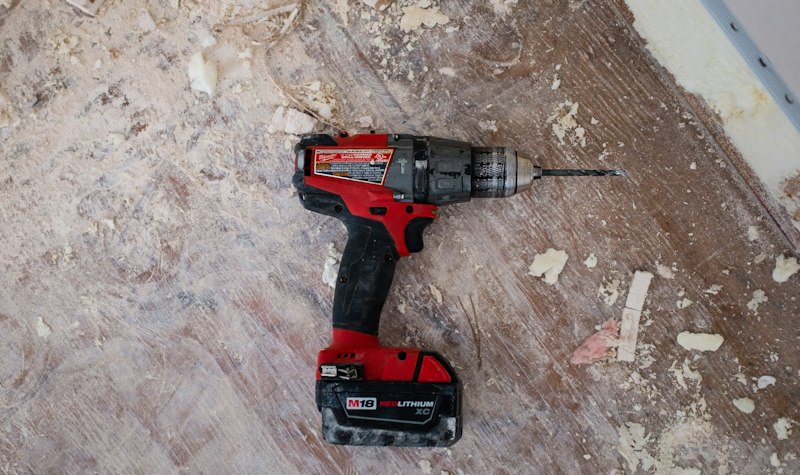
- Drill/driver – Speeds up bracket installation considerably
- Stud finder ($20-50) – Locates ceiling joists accurately
- Ladder – 8-10 feet for standard 8-9 foot ceilings
- Level – Bubble level works fine; laser levels are faster
Materials You May Need:
- Fan-rated junction box ($5-15) – Required if replacing a light fixture
- Ceiling fan support brace ($10-30) – For installations between joists
- Electrical wire nuts – Usually included with fan, but have extras
- Electrical tape – For securing wire nut connections
Now here’s a pro tip that could save you $40: before buying a ceiling fan, check if your utility company offers rebates. Many energy companies provide $25-50 rebates for ENERGY STAR certified ceiling fans. Some municipalities offer additional incentives during summer conservation programs.
When selecting your fan, consider energy-efficient ceiling fan options that maximize air movement while minimizing power consumption. DC motor fans are particularly efficient, using up to 70% less electricity than traditional AC motor fans.
Step-by-Step Ceiling Fan Installation Guide
This is where the rubber meets the road. Take your time with each step, and remember: rushing leads to mistakes that take longer to fix than doing it right the first time.
Step 1: Remove the Existing Fixture
Start by removing any glass globes, light bulbs, and decorative elements from your existing fixture. Then locate the mounting screws (usually two or three) and carefully lower the fixture away from the ceiling.
Before disconnecting any wires, use your voltage tester to confirm power is OFF. Touch the tester to each wire – it should not light up or beep. If it does, stop immediately and find the correct breaker.
Take a photo of the wire connections with your phone. This reference helps during reconnection and troubleshooting.
Disconnect the wires by unscrewing the wire nuts. Set the old fixture aside.
Step 2: Install a Fan-Rated Junction Box
If your existing junction box isn’t fan-rated (it’ll be marked on the box itself), you must replace it. This is the safety foundation of your entire installation.
There’s something crucial here: you can’t just use a fan box without proper support. The box must be secured to a ceiling joist or supported by an expansion brace spanning between joists. For most installations, this means either:
- Direct joist mounting: The fan location happens to be under a joist. Secure the fan-rated box directly to the joist using the included screws.
- Expansion brace: You cut a larger hole, insert the brace between joists, and expand it until it grips firmly. The junction box attaches to this brace.
For comprehensive guidance on electrical safety, see our guide on home electrical safety basics for DIY beginners.
Step 3: Assemble the Fan Motor
Most ceiling fans require some assembly before mounting. Lay out all components and verify everything against the parts list. Missing parts are easier to identify now than after you’re on the ladder.
Thread the wires from the motor through the downrod (if applicable) and attach any mounting hardware. Most modern fans have a temporary hanging hook that supports the motor while you make electrical connections. Use this feature – it makes wiring significantly easier.
Step 4: Mount the Fan Bracket

Attach the mounting bracket (sometimes called a hanger bracket) to the junction box using the provided screws. Ensure all screws are tight, and the bracket doesn’t wobble. The bracket will support the full weight of your fan.
Step 5: Make Electrical Connections
This is the step that intimidates most beginners, but there’s a straightforward pattern to follow:
Standard wiring (fan only, no light):
- Black fan wire connects to black house wire (hot)
- White fan wire connects to white house wire (neutral)
- Green or bare copper wire connects to ground (usually bare copper or green wire from box)
Fan with light kit:
- Black fan wire connects to black house wire (fan power)
- Blue or striped fan wire connects to red house wire (light power)
- White fan wire connects to white house wire (shared neutral)
- Green/bare connects to ground
Twist each connection with a wire nut, then wrap with electrical tape. Most fans include wire nuts, but have extras in various sizes.
After connecting, gently push all wires into the junction box. None should be pinched or crammed. The wires should have enough slack that connections aren’t under tension.
Step 6: Attach the Canopy and Mount the Motor
The canopy is the decorative cover that hides your junction box and wiring. Slide it up to the ceiling and secure with the provided screws. Some canopies use decorative finials or thumbscrews.
If your fan has a temporary hanging hook, the motor can hang while you complete other steps. Otherwise, you’ll need to support the motor while attaching it to the bracket.
Step 7: Attach the Fan Blades
Blade attachment varies by manufacturer. Some attach directly to the motor housing, while others use blade irons (metal arms) that connect to the motor. Follow the specific instructions for your fan.
Tighten blade screws firmly, but don’t overtighten. Overtightening can warp blades or crack blade irons. Most manufacturers recommend hand-tight plus a quarter turn with a screwdriver.
Step 8: Install the Light Kit (If Applicable)
If your fan includes a light kit, connect the wires from the switch housing to the light kit wires. Typically this is plug-and-play with color-coded connectors. Install the recommended bulbs (wattage limits exist for safety), and attach the glass globe with its mounting screws.
Step 9: Test Everything
Turn the power back on at the circuit breaker. Test each function:
- All fan speeds (low, medium, high)
- Light fixture (if applicable)
- Remote control (if included)
- Reverse direction switch (usually on the motor housing)
The reverse direction function is particularly valuable: counter-clockwise creates cooling breeze in summer, while clockwise (at low speed) circulates warm air in winter without creating a draft. This can reduce heating costs by 10-15%.
Common Mistakes That Cost Time and Money
Even experienced DIYers make mistakes. Learning from others’ errors can save you hours of frustration.
Mistake #1: Using a Standard Junction Box
Here’s the truth: this is the single most common and dangerous mistake. Standard electrical boxes for light fixtures aren’t designed for the weight and vibration of ceiling fans. A fan hanging from an undersized box might stay up for months before gradually loosening and crashing.
Solution: Always verify you have a fan-rated box marked for at least 50 pounds. If there’s any doubt, replace it.
Mistake #2: Mixing Up the Wires
Now I need to explain something important: wire colors aren’t universal, especially in older homes. Previous DIYers may have used incorrect colors, or previous owners may have done unconventional wiring.
Solution: Always use a voltage tester to identify the hot wire before disconnecting anything. Label wires with masking tape before removing them from the old fixture.
Mistake #3: Skipping the Ground Wire
The ground wire seems optional until something goes wrong. Without proper grounding, a short circuit can energize the fan housing, creating a shock hazard.
Solution: Always connect the green or bare copper ground wire. It’s not optional, and it protects your family.
Mistake #4: Installing Blades Unevenly
Blades must be equally weighted and at the same pitch angle. Even small variations cause wobble.
Solution: Tighten all blade screws equally. Most fans include blade balancing clips. If wobble persists, use the balancing kit to correct it.
For more tips on avoiding DIY disasters, check our article on common DIY mistakes every beginner should avoid.

Accurate Cost Estimates for Your Project
Let’s talk numbers. Understanding the true cost helps you budget appropriately and decide whether DIY is worth your time.
Ceiling Fan Costs:
- Basic models: $50-100 – Functional but limited features, typically 3 speeds
- Mid-range: $100-200 – Better motors, integrated lights, more styles
- Premium: $200-500+ – DC motors, remote controls, smart home integration, designer finishes
Materials for New Installation:
- Fan-rated junction box: $5-15
- Expansion brace: $10-30
- Electrical supplies: $10-25
- Total additional materials: $25-70
Professional Installation Costs:
Should you hire a pro? Consider these factors:
- Electrician labor: $100-250 for straightforward installation
- New wiring: $150-300 if no existing fixture
- High ceilings: Additional $50-100 for specialized equipment
When to Hire a Professional:
- Vaulted or high ceilings (over 10 feet)
- No existing wiring in the desired location
- Complicated light/fan combinations
- Older homes with unknown wiring conditions
- If you don’t feel confident about any electrical work
For comparison, our guide on ceiling fan installation costs provides detailed regional pricing and contractor selection tips.
Frequently Asked Questions
Can I install a ceiling fan where there’s only a light fixture?
Yes, but you must replace the existing junction box with a fan-rated box. Standard light fixture boxes cannot support the weight and constant vibration of a ceiling fan. This is the most critical safety requirement.
How long does ceiling fan installation typically take?
For a beginner DIYer, expect 2-4 hours including preparation and cleanup. Experienced installers can complete the job in 1-2 hours. Professional installations take about an hour for straightforward replacements.
Do I need a permit to install a ceiling fan?
Most jurisdictions don’t require permits for simple fixture replacements. However, if you’re running new electrical wiring, permits may be required. Check with your local building department, as requirements vary significantly by location.
What size ceiling fan do I need for my room?
Fan size should match room size for optimal air circulation:
- Up to 75 square feet: 36-44 inch fan
- 76-144 square feet: 44-50 inch fan
- 145-225 square feet: 50-54 inch fan
- 226-400 square feet: 54-60 inch fan
- Over 400 square feet: Multiple fans or 60+ inch models
Why does my ceiling fan wobble?
Wobble comes from blade imbalance. Common causes include loose blades, dust accumulation on blades, or manufacturing inconsistencies. Clean blades first, check that all screws are tight (but not overtightened), then use the included balancing kit to add small weights to correct imbalance.
Can I install a ceiling fan on a sloped ceiling?
Yes, but you need a sloped ceiling adapter. Standard adapters accommodate angles up to 30 degrees. For steeper slopes, specialized mounting hardware is required. Some fans have adjustable ball joints built into their mounting systems.
Tips for Getting the Most From Your New Ceiling Fan
After installation, maximize your investment with these operational tips:
Seasonal Direction: Run fans counter-clockwise in summer (creates cooling breeze) and clockwise at low speed in winter (circulates warm air without creating drafts). This winter setting can reduce heating costs by 10-15%.
Height Adjustment: For ceilings over 9 feet, use a downrod to bring blades 8-9 feet from the floor. Fans mounted too high lose effectiveness.
Maintenance: Dust blades monthly to prevent imbalance. Tighten screws annually. Check that the mounting bracket remains secure.
Smart Integration: Many modern fans work with smart home systems. Consider adding a smart switch for voice control and scheduling. For DIY smart home projects, see our guide on smart home projects for beginners.
Author: This guide was prepared by the BlogFans editorial team, specializing in practical DIY instruction for homeowners. With over 50 articles on home improvement topics, our team researches manufacturer guidelines, professional installation standards, and safety codes to provide accurate, actionable advice for DIY beginners.
Ready to Tackle Your Ceiling Fan Project?
You’ve now got the complete picture: safety considerations, required tools, step-by-step instructions, common pitfalls, accurate costs, and answers to frequently asked questions. Installing a ceiling fan isn’t complicated when you understand the process and take appropriate safety precautions.
The most common mistakes – using a standard junction box, skipping ground connections, and rushing through electrical connections – are easily avoided when you know what to watch for.
If you’re replacing an existing fixture with a fan-rated box already in place, this project takes 2-3 hours. If you need to install a fan-rated box, add another hour. Either way, you’ll end the day with improved comfort, lower energy bills, and the satisfaction of doing it yourself.
For more home improvement guides tailored to beginners, explore our DIY for Beginners section, where we break down each project into manageable, confidence-building steps.